As I worked in Europe, a question lingered persistently at the back of my mind:
Why is it that Japan possesses such remarkable craftsmanship, yet so much of it remains little known in the world? The skill, the beauty, the refinement are by no means inferior— so why does it struggle to be recognized as a "brand," as Europe so readily achieves?
In time, another thought began to take shape: Perhaps Japan's sense of value lies less in what is produced than in how something is made, and in the long maturation that occurs through time.
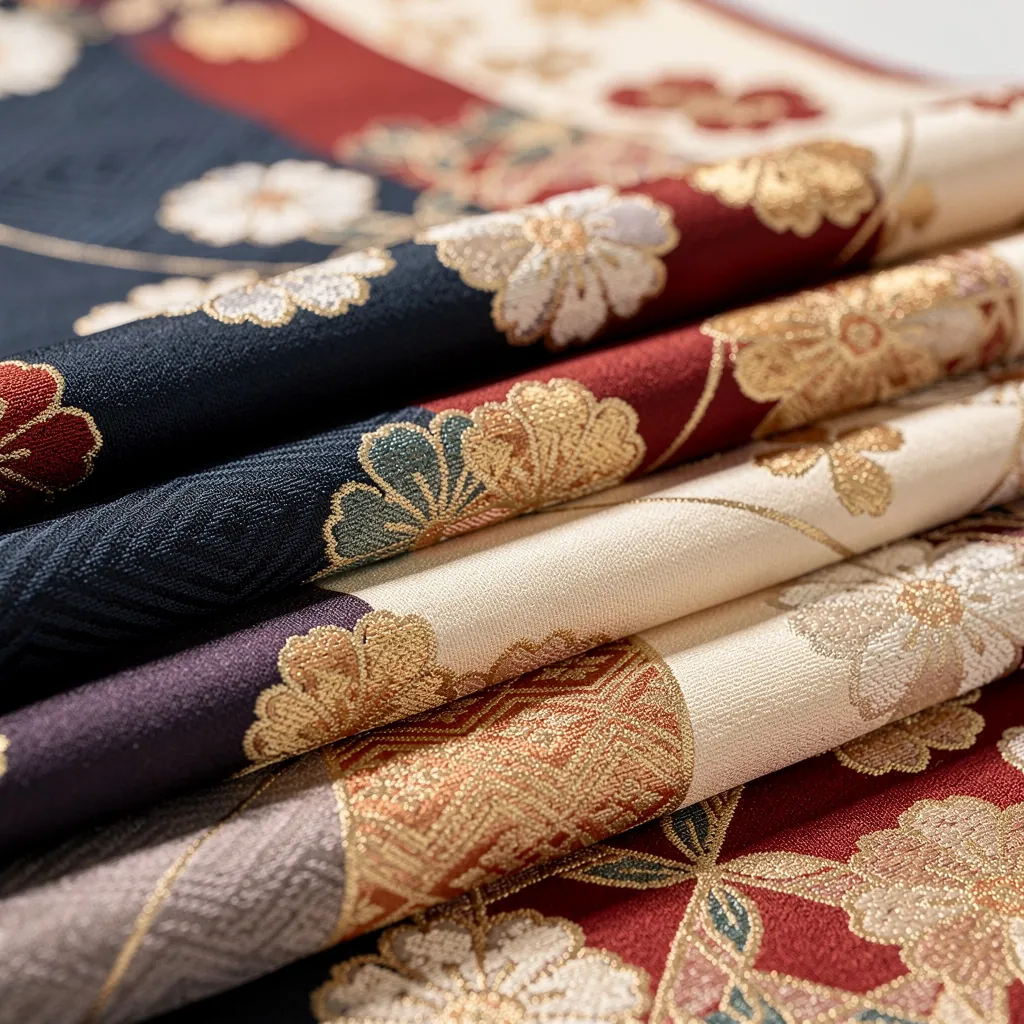
Japanese craft, after all, acquires its beauty not at the moment of purchase, but as it is used, worn, mended, and allowed to live alongside its owner. Its value resides on an axis entirely different from that of industrial goods, whose merit is judged by performance at the point of sale.
This contrast seems to echo the cultural processes by which consensus forms. In Japan, agreement often arises quietly—through atmosphere, through unspoken understanding. In Europe, clarity is constructed through discussion and definition. Neither is better or worse; they simply generate value in different ways.
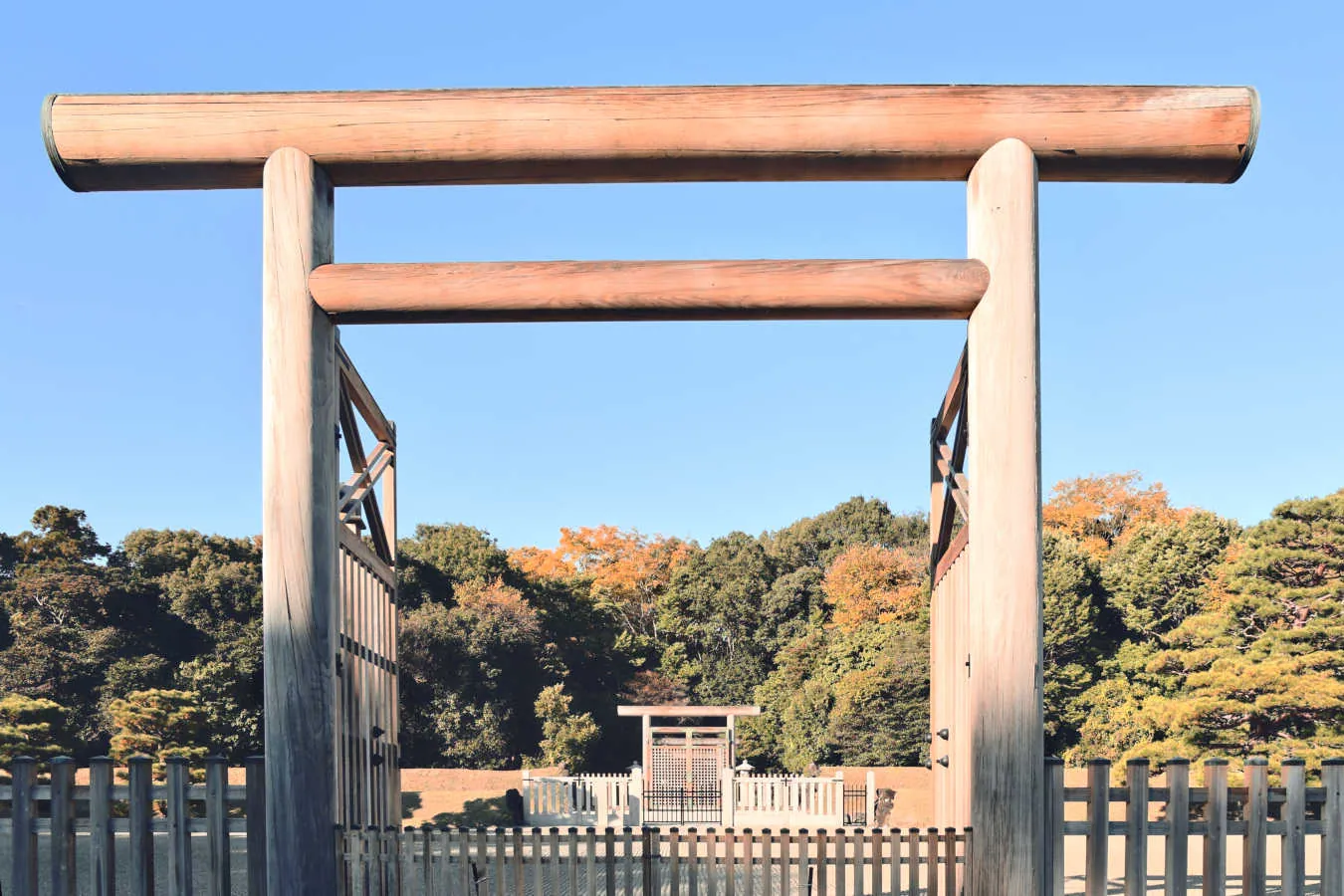
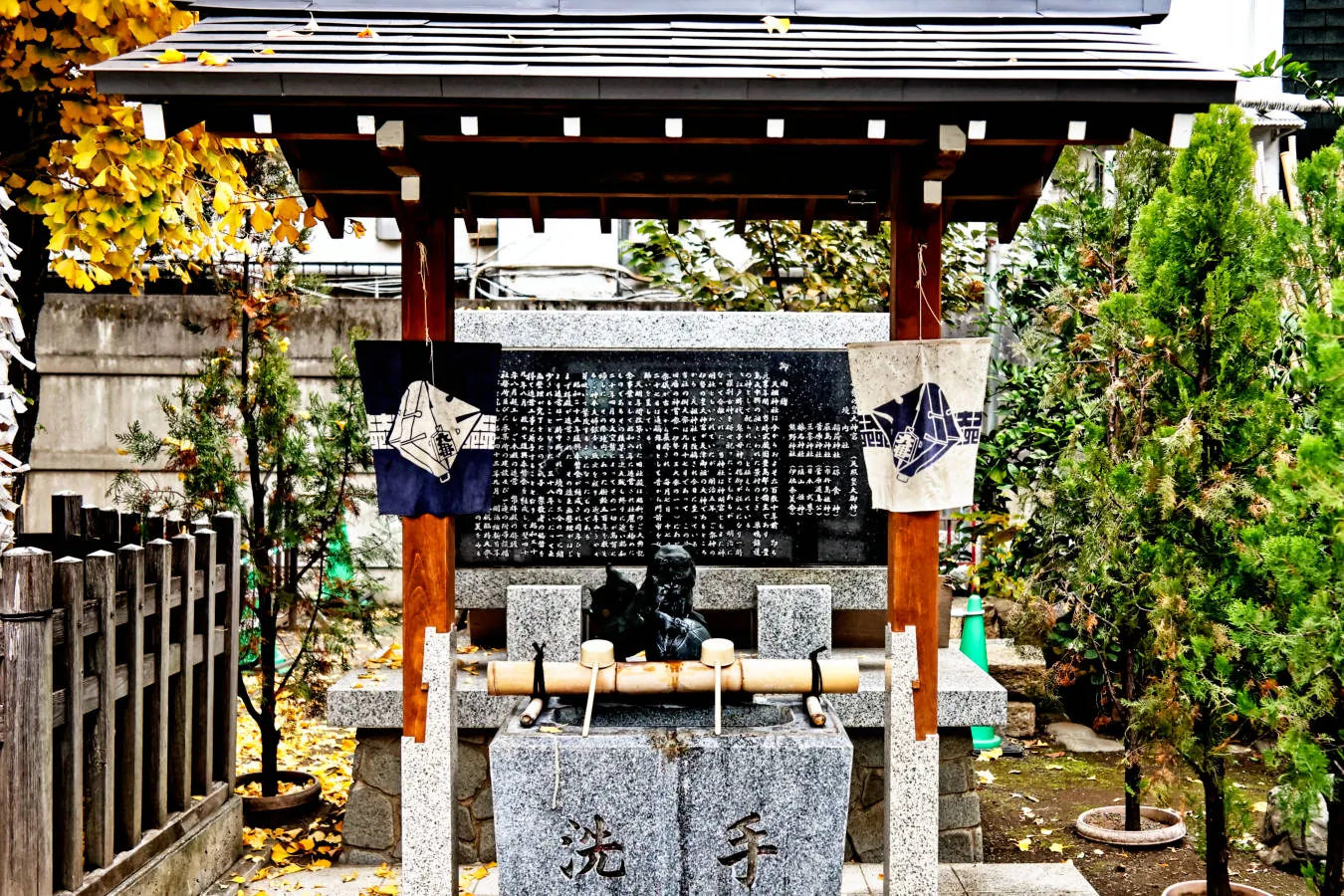
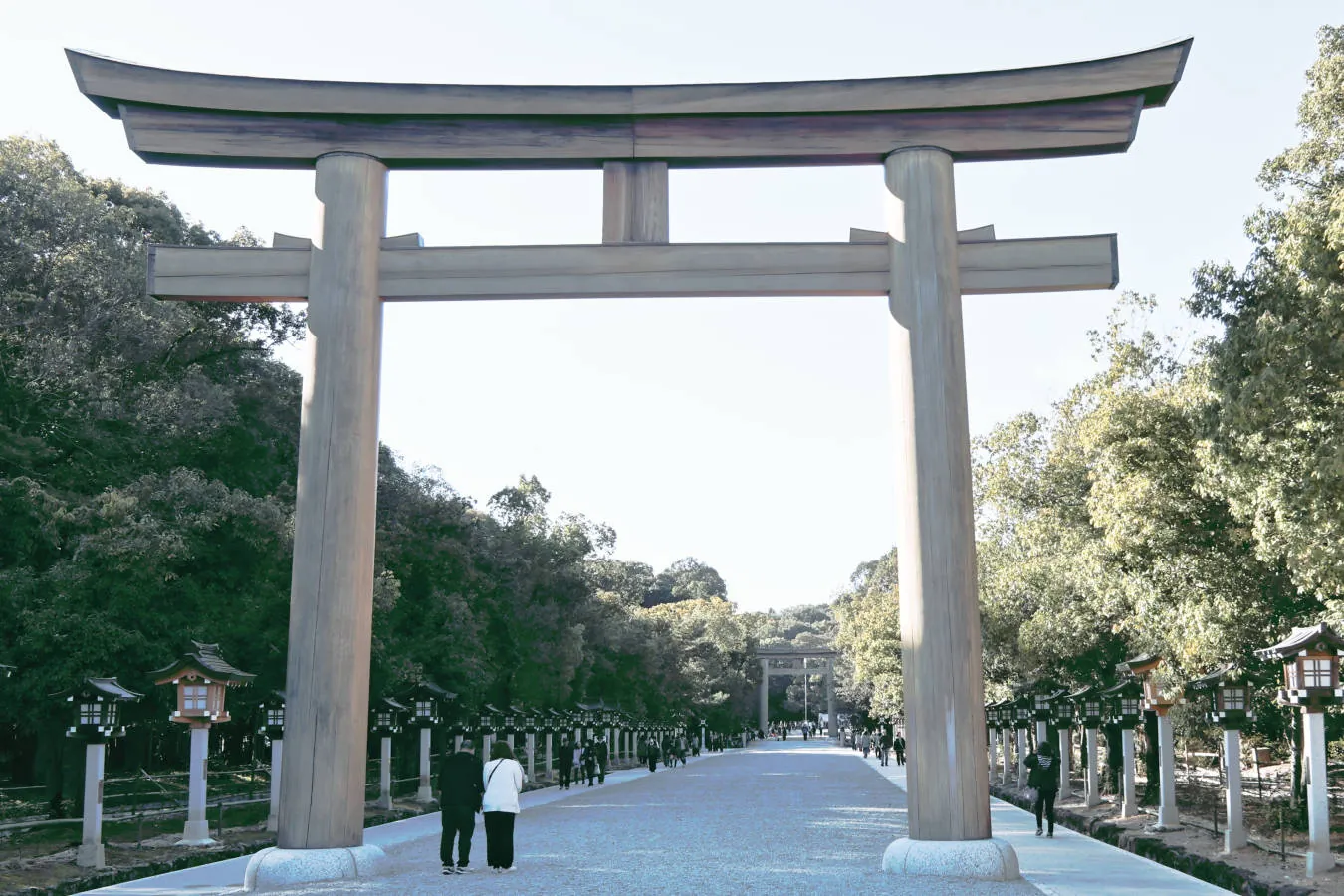
Broadening the lens further, I began to notice a similar "natural blending" within the Japanese approach to religion. One may visit a Shinto shrine as an infant, attend Christian services at school, celebrate Christmas and Halloween as seasonal customs, and be farewelled in a Buddhist ceremony at life's end. To some, this appears inconsistent; yet the same society displays remarkable composure in times of disaster and a deep reluctance to inconvenience others.
This layered, interwoven sensibility seems inseparable from the way Japanese craft and culture take shape— rooted in what cannot be seen, what is left unsaid, and what is entrusted to time.